
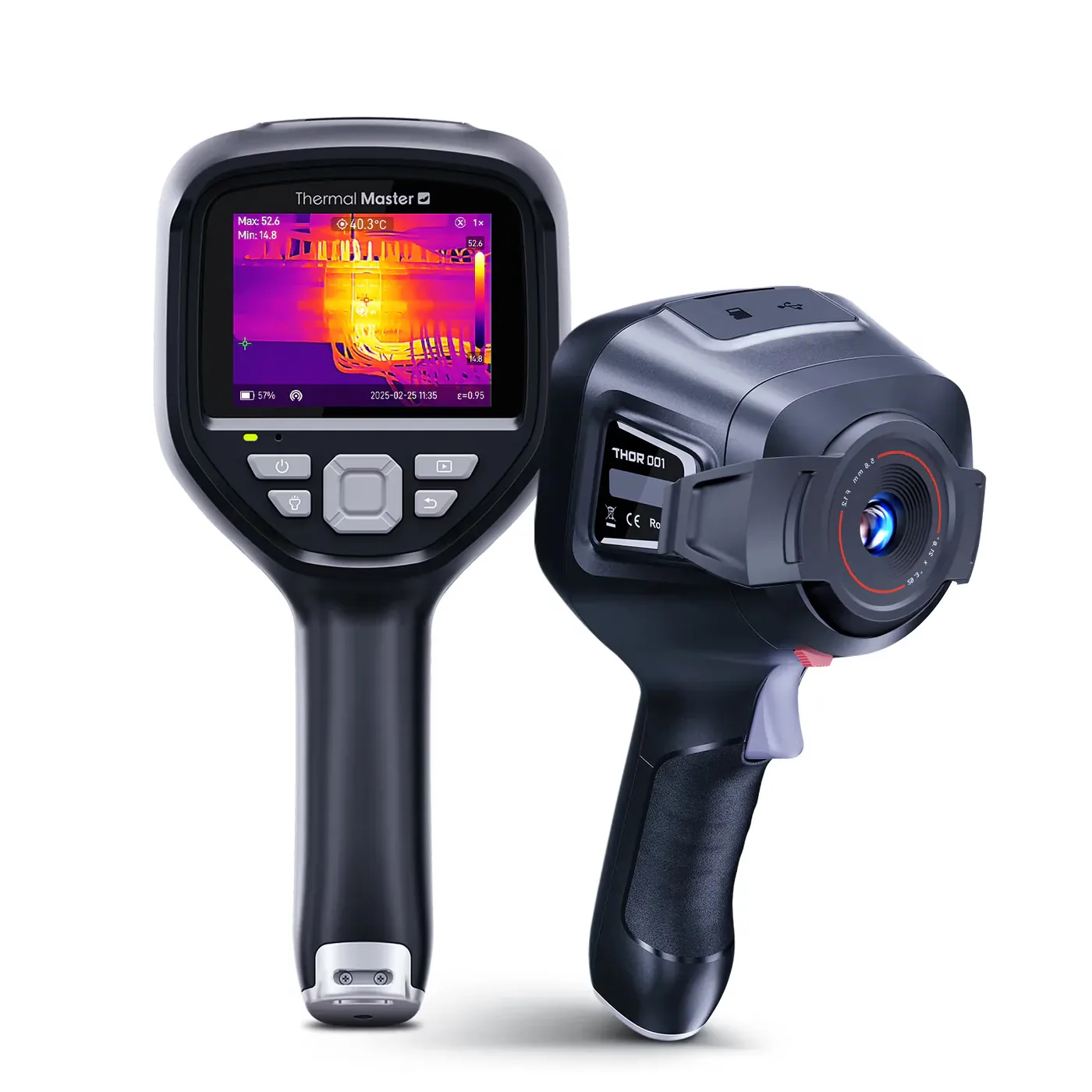
When it comes to home inspections, thermal imaging is one of the most valuable tools a professional inspector can use. This advanced technology allows inspectors to see temperature differences and detect problems that would be impossible to spot with the naked eye — from hidden water leaks to electrical issues to heat loss in your home's envelope.
What is Thermal Imaging?
Thermal imaging, also called thermography, is a technology that captures infrared radiation (heat) emitted by objects and surfaces. Thermal cameras convert this invisible heat into visible images where different colors represent different temperature levels. In a thermal image, warm areas appear in red, orange, and yellow, while cooler areas appear in blue, purple, and dark colors.
This technology reveals temperature variations that can indicate serious problems hidden behind walls, above ceilings, and under floors — problems that standard visual inspections would never catch.
Heat Loss Detection
One of the most common uses of thermal imaging is identifying heat loss in your home. Missing or damaged insulation creates distinct temperature patterns that thermal cameras can instantly reveal. In cold weather, warm areas inside the home stand out in red and orange, while uninsulated or poorly insulated areas appear blue and purple.
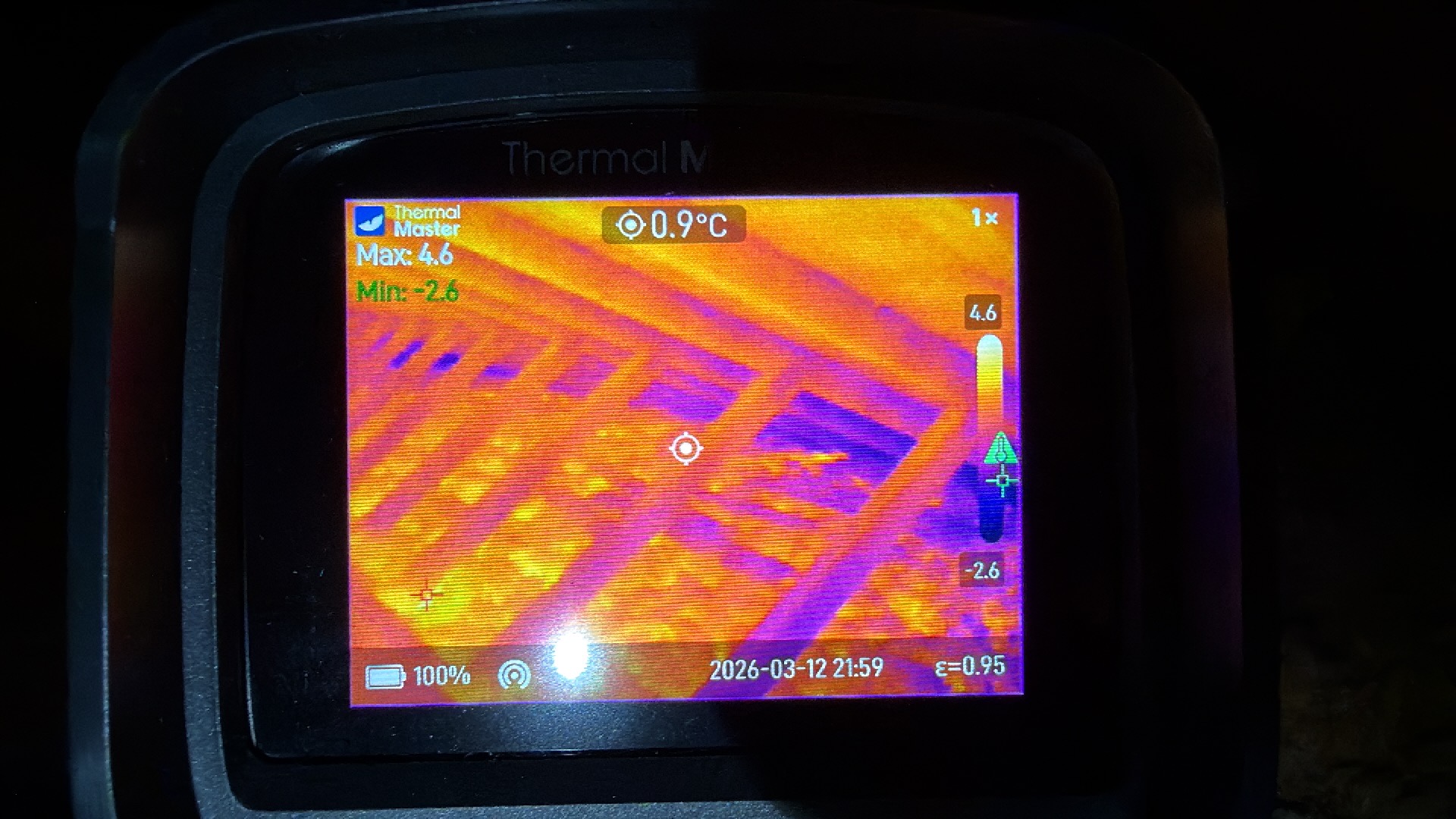
Attic heat loss visible through thermal imaging
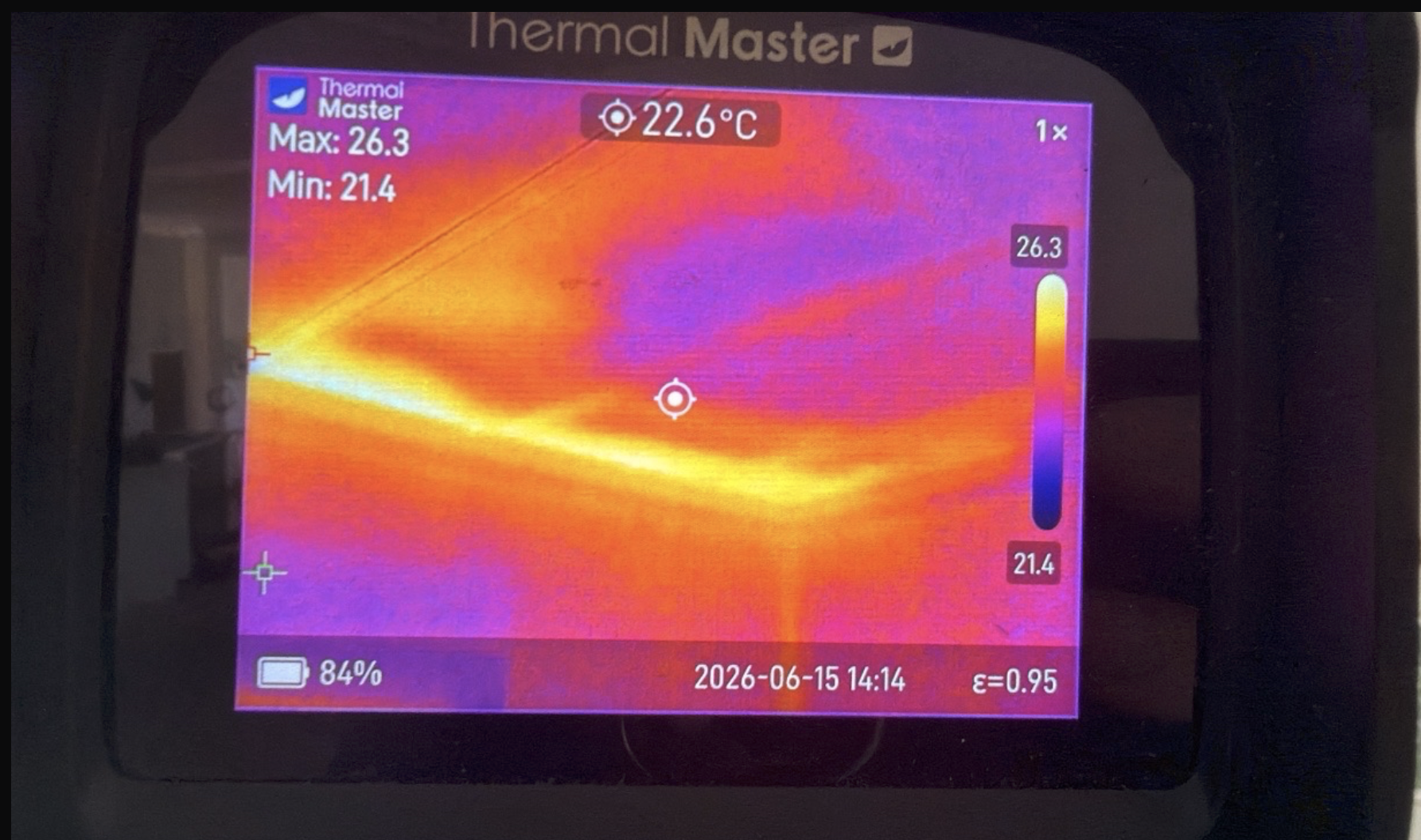
Missing insulation at attic perimeter thermal detection
Detecting Electrical Problems
Overheated electrical connections and faulty breakers are fire hazards that thermal imaging can identify before they cause catastrophic damage. A properly functioning electrical panel should show consistent temperatures. Hot spots indicate loose connections, overloaded circuits, or failing breakers — all critical safety concerns.
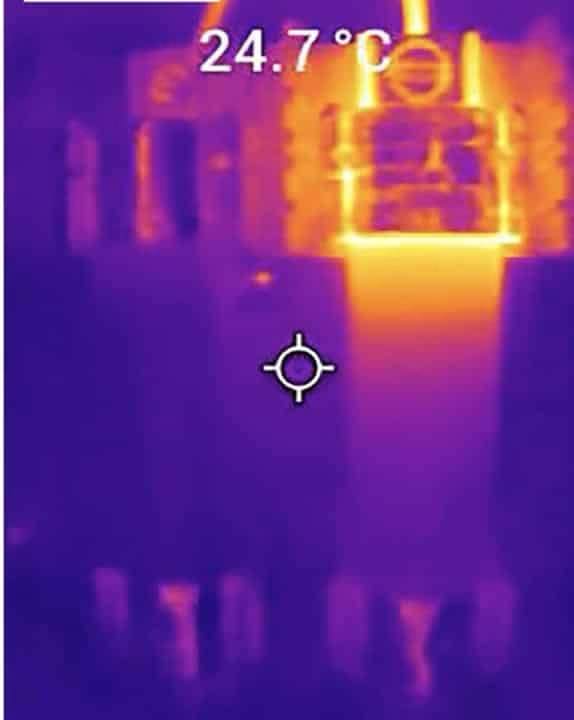
Electrical panel thermal scan reveals dangerous hot spots
Finding Hidden Water Leaks
Water leaks often hide behind walls and under floors, causing damage long before visible signs appear. Wet areas have different thermal signatures than dry areas, allowing thermal cameras to pinpoint the exact location of leaks. This is invaluable for catching water damage in its early stages.
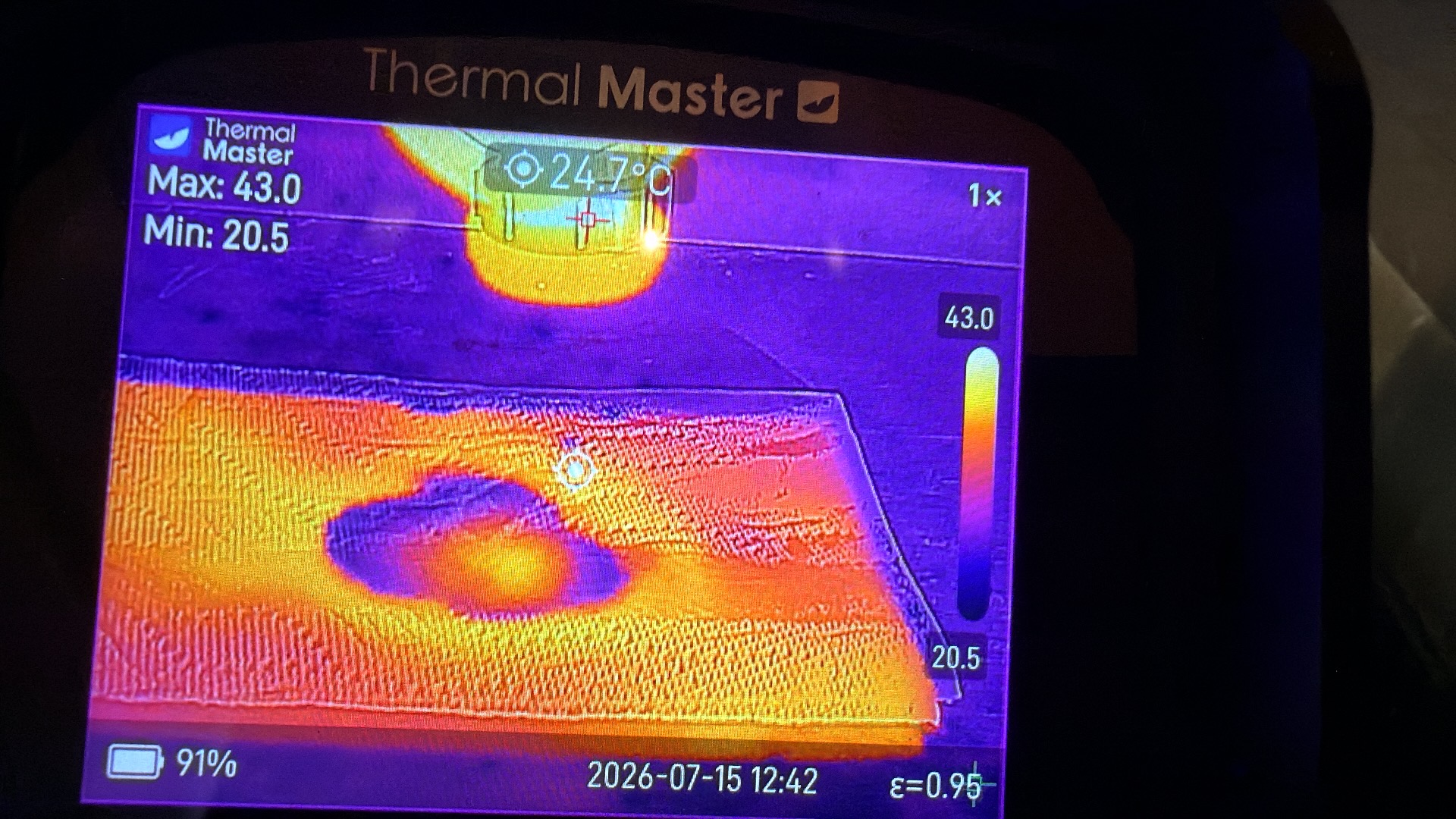
Active water leak detected through thermal imaging
Plumbing leaks are particularly common in areas behind walls, under flooring, and in basement sump lines. A thermal scan can locate these hot or cold water pipes and identify where leaks are occurring.
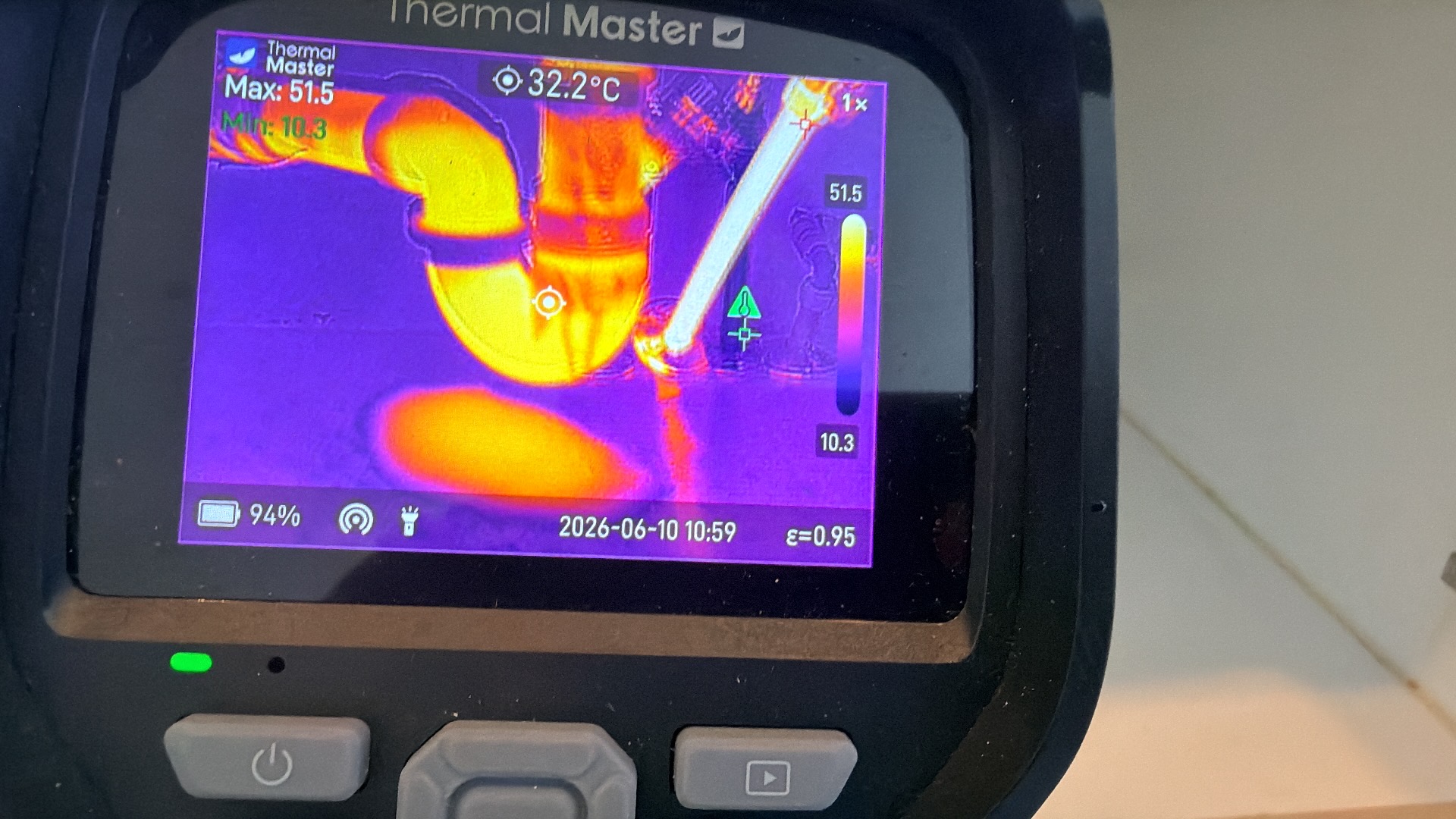
Plumbing leak thermal signature visible in basement
Drain line issues are harder to spot, but they also leave thermal evidence. Water draining from upstairs can reveal lines and blockages that aren't visible.
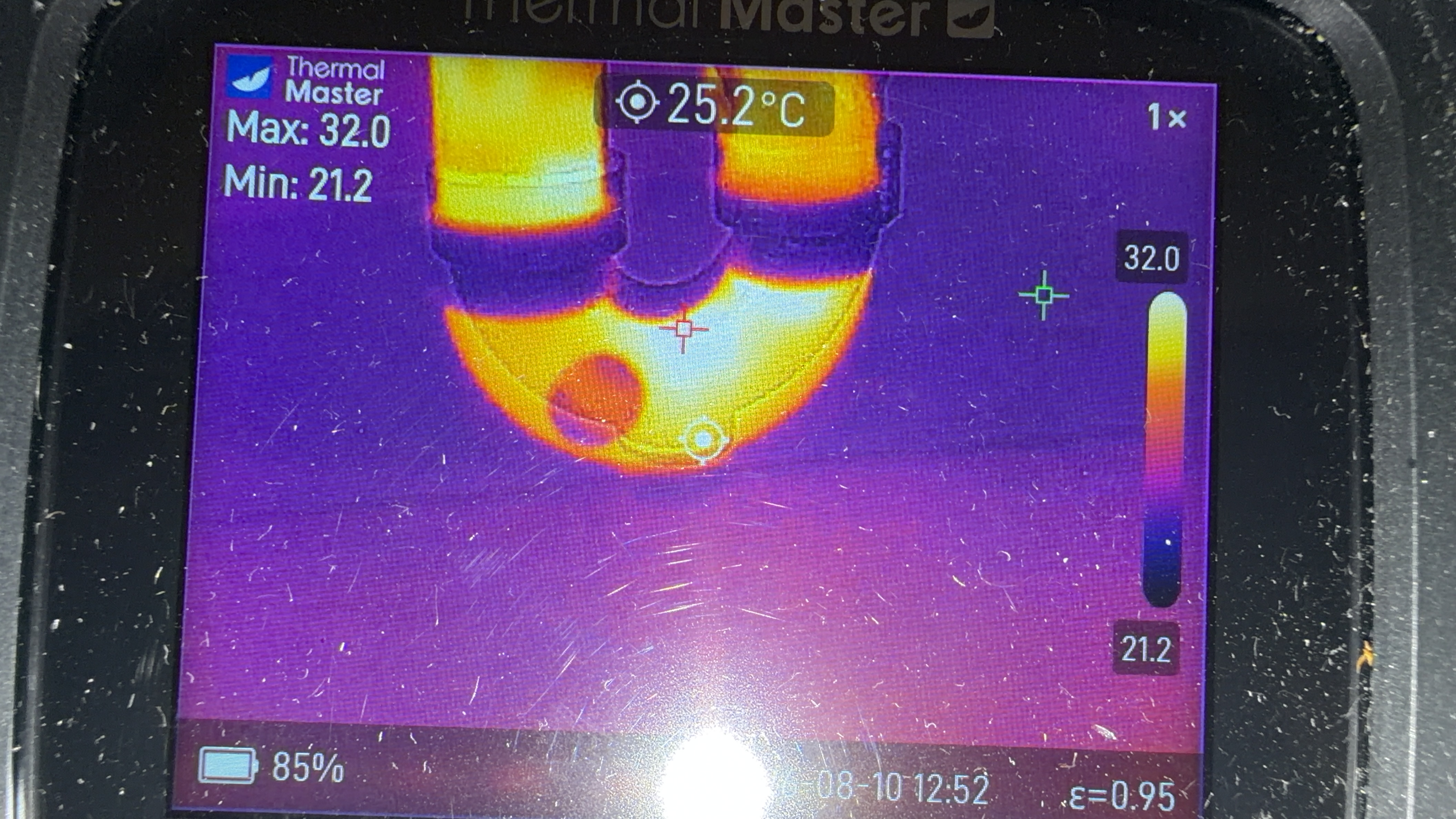
Drain line problems detected with thermal imaging
Testing Appliance Efficiency
Thermal imaging can assess whether major appliances are functioning properly. Ovens, cooktops, dryers, and other heating appliances should have consistent heat distribution. Uneven temperature patterns indicate mechanical failure or inefficient operation — a sign that replacement may be needed soon.
Electric ovens typically show even heat distribution across the heating elements. If one element or section is cold, the oven may be failing.
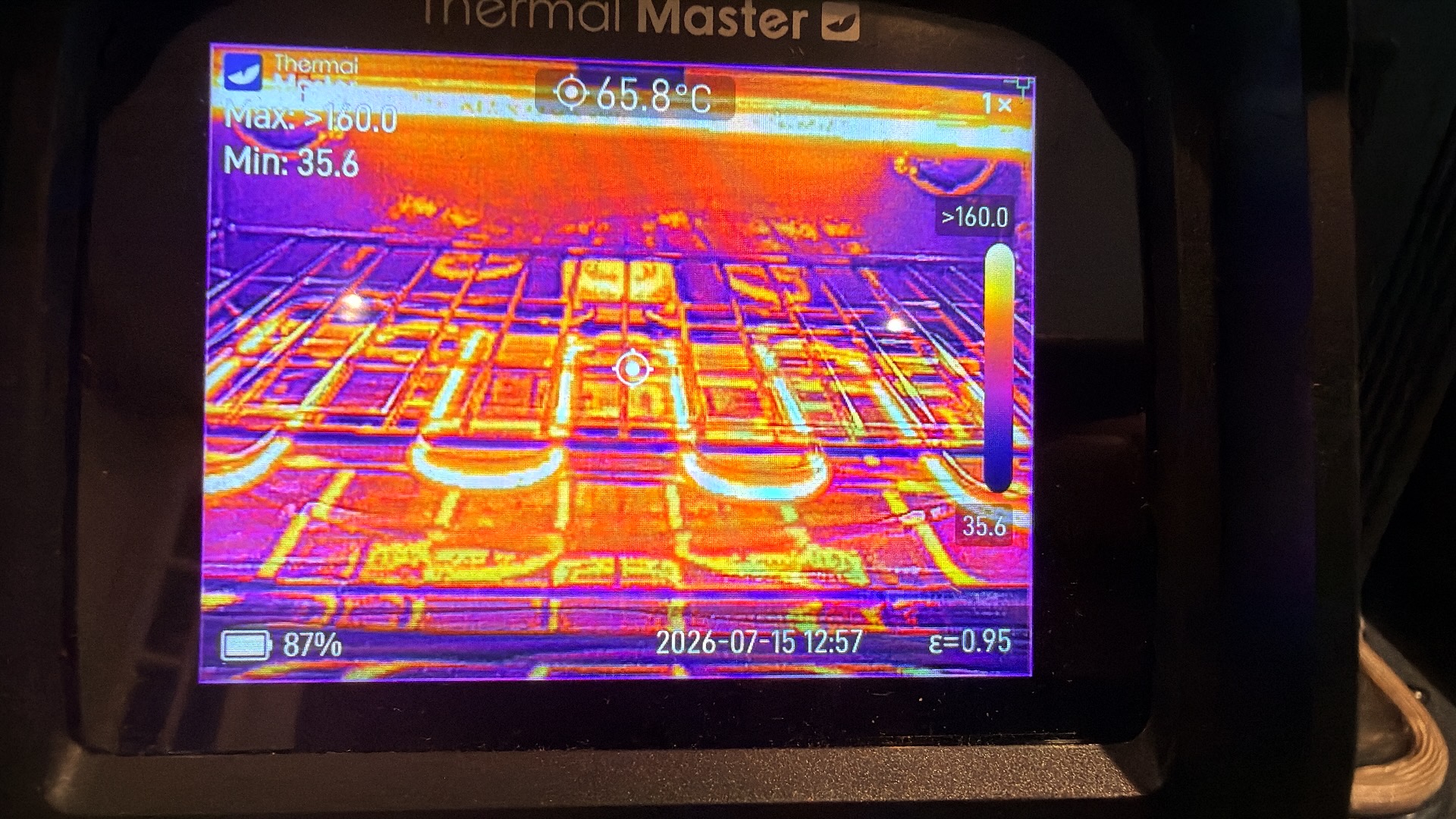
Oven heat distribution thermal check
Gas and electric cooktops should show consistent heat from all burners. Cold spots indicate burner failure.
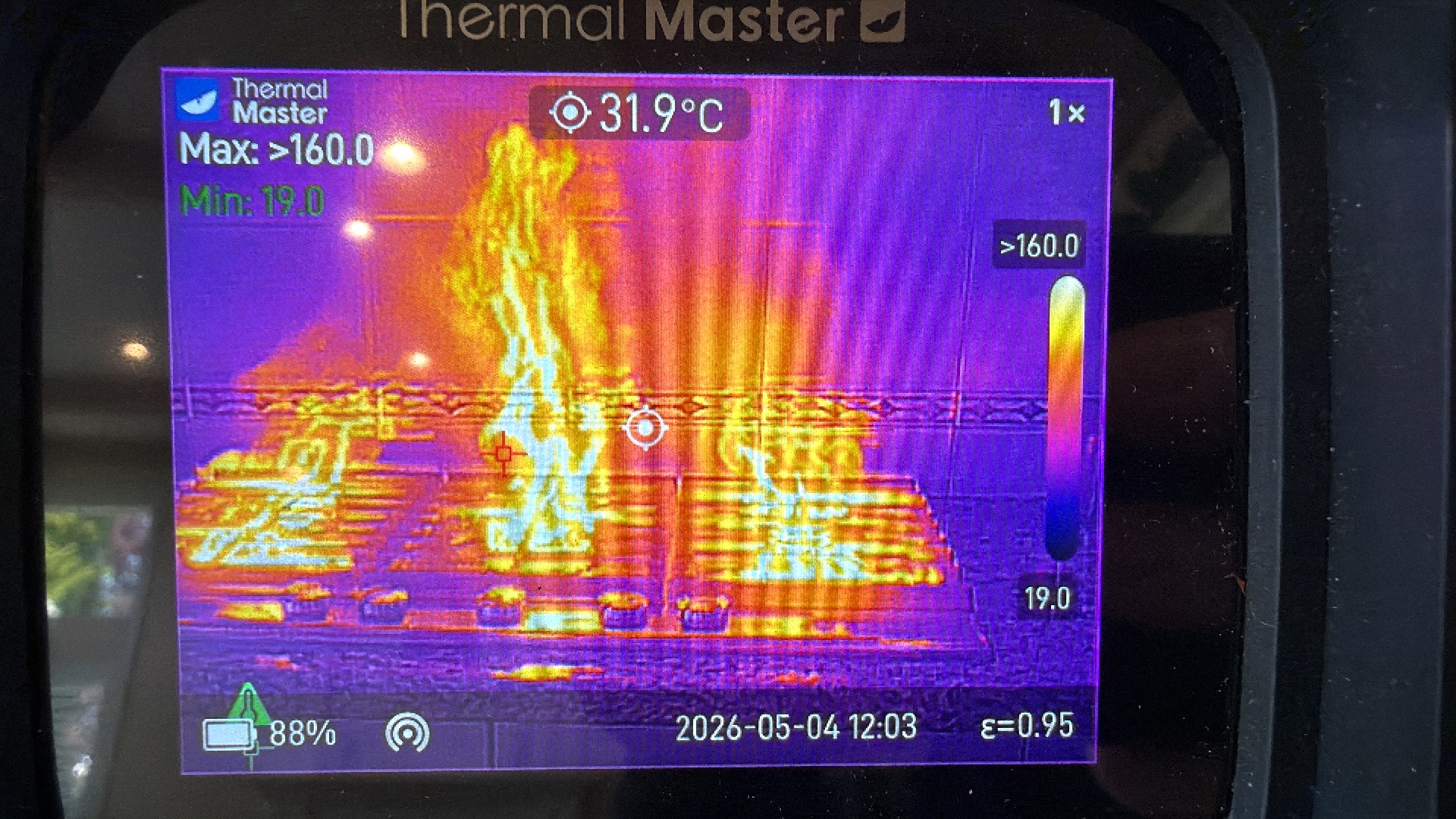
Gas cooktop thermal check
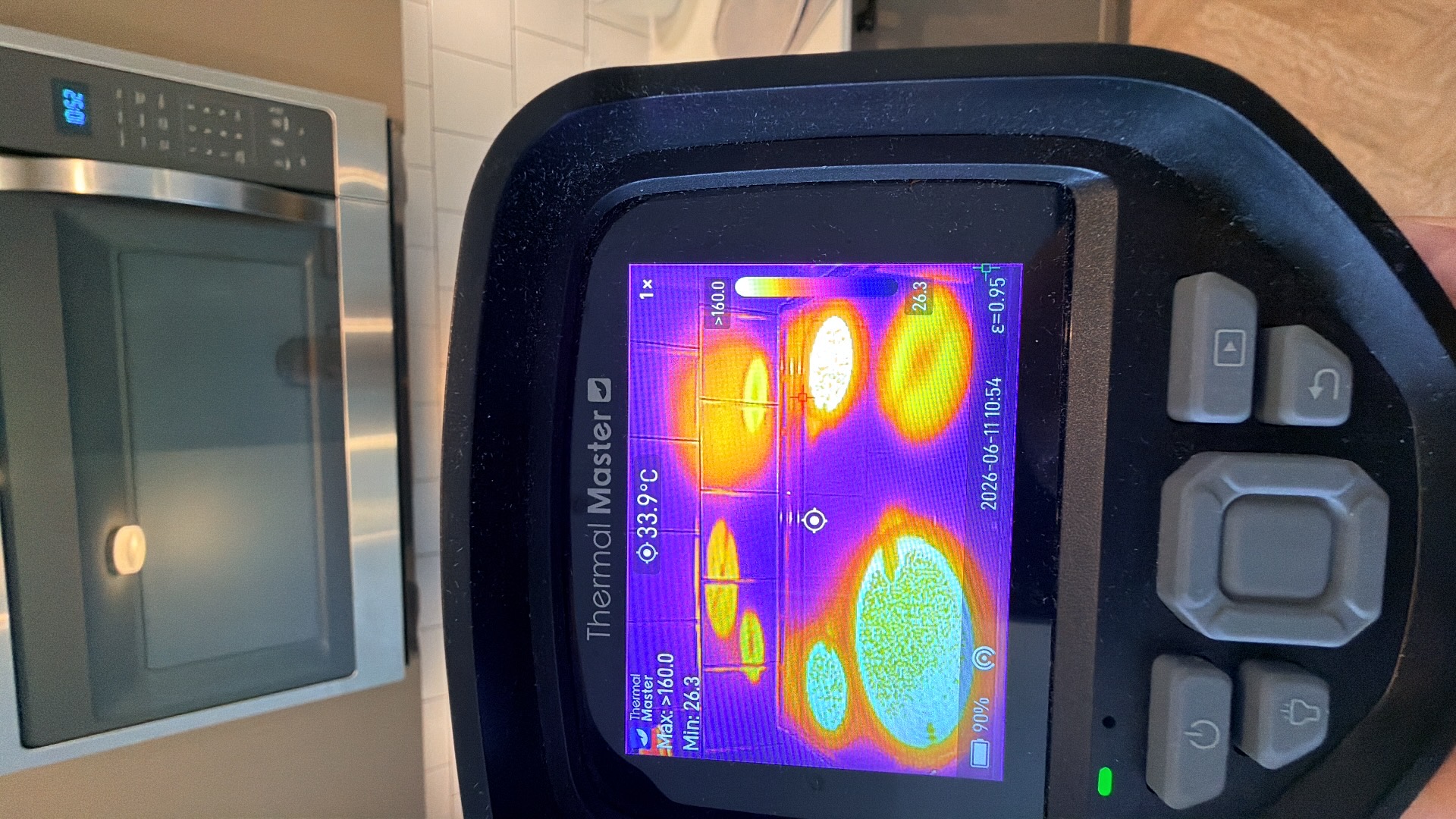
Electric cooktop thermal check
Dryers should have consistent heat output. Uneven heating indicates lint buildup, vent blockages, or heating element failure.
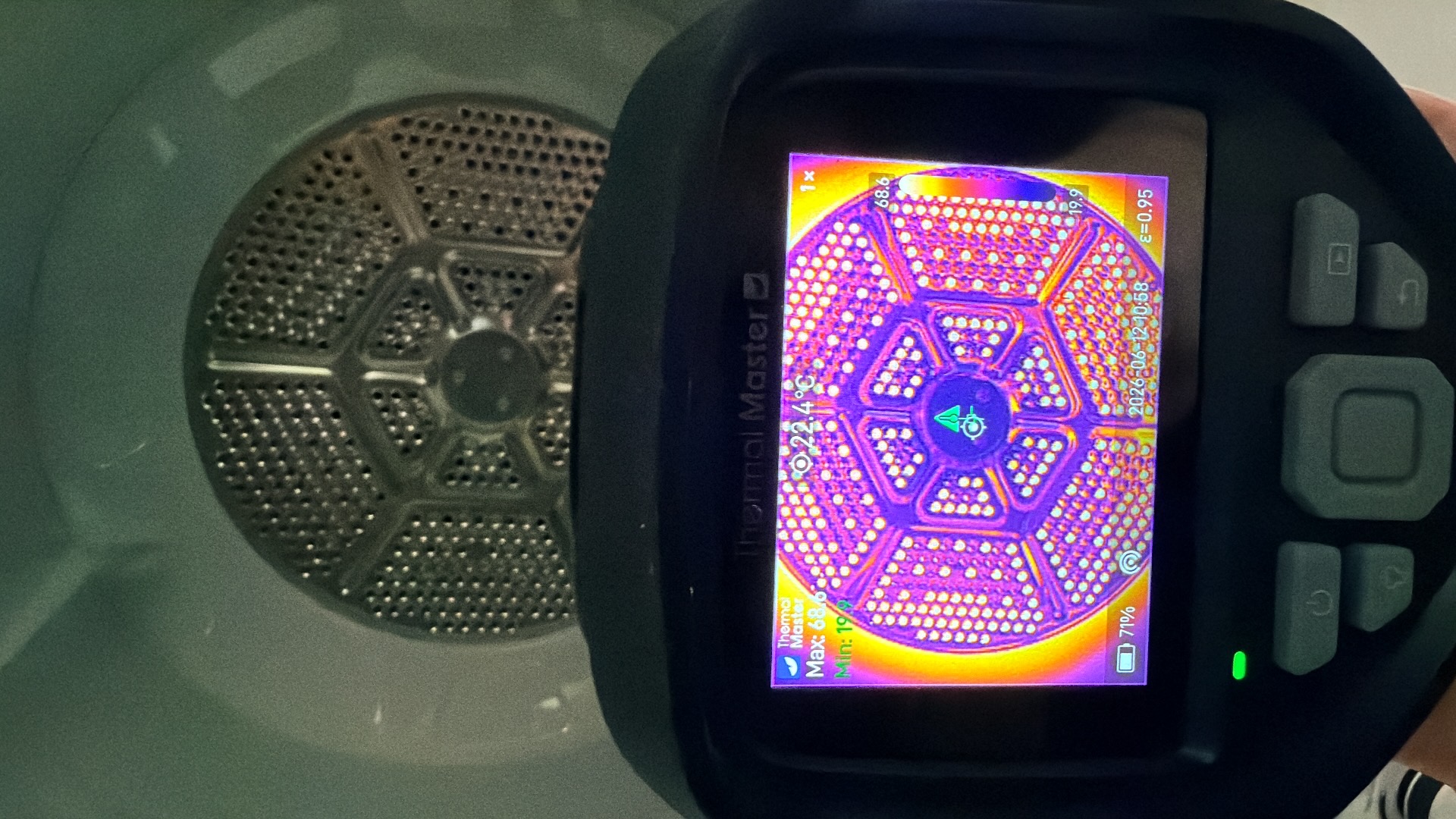
Dryer thermal efficiency check
HVAC System Evaluation
Forced air systems, baseboard heat, and in-floor heating all have thermal signatures that thermal cameras can evaluate. Missing or damaged ductwork, blocked vents, and unbalanced heating create temperature differences that reveal where the system is failing.
Baseboard heaters should produce consistent, uniform heat along their entire length. Cold spots indicate clogged heating elements or internal failure.
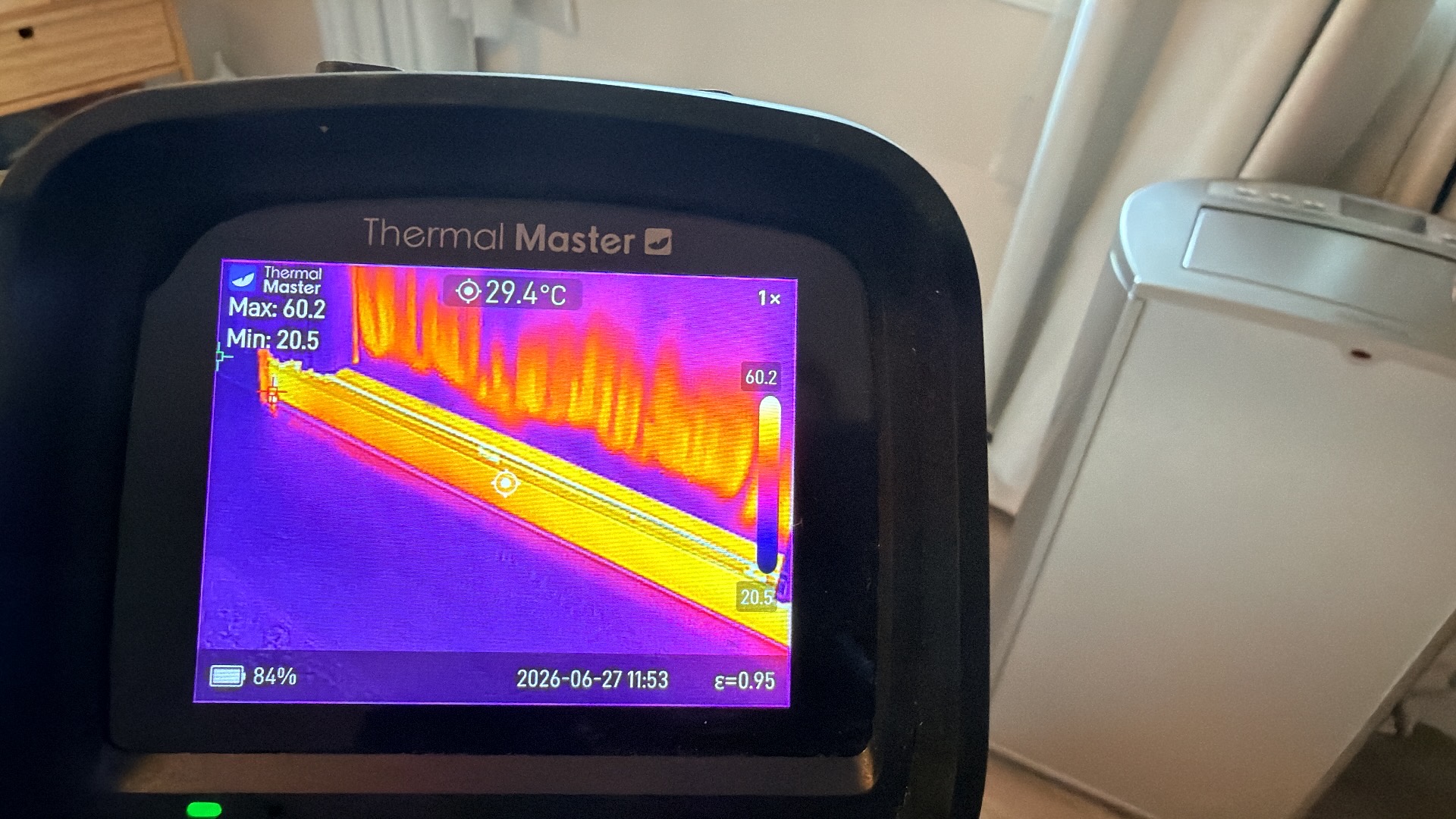
Baseboard heat thermal evaluation
Forced air vents and returns should show proper airflow. Blocked or disconnected ducts create uneven temperatures in different rooms.
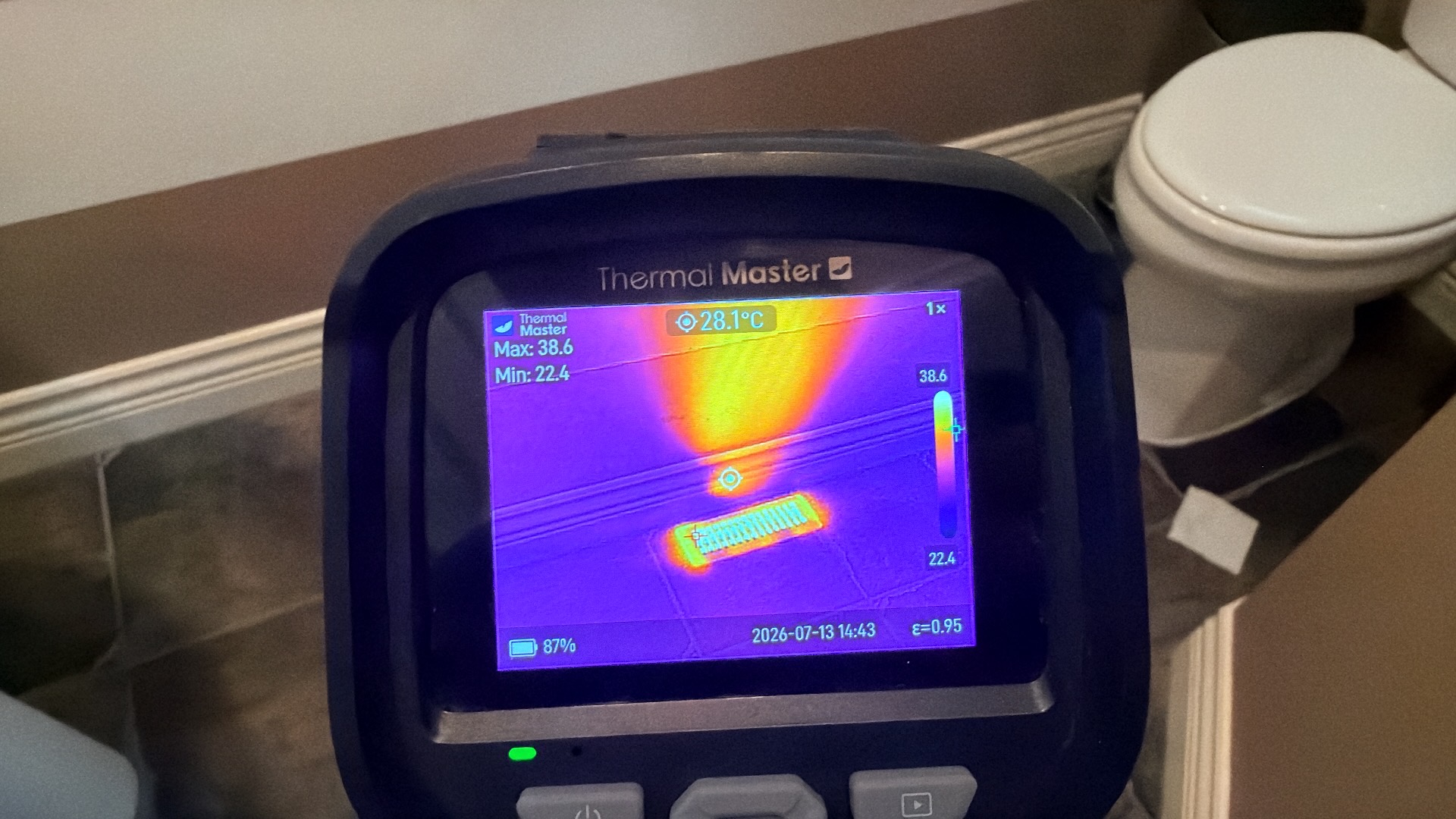
Forced air vent thermal check
In-floor heating systems create a distinct thermal pattern. Cold spots reveal blockages or system failures in the heating tubes.
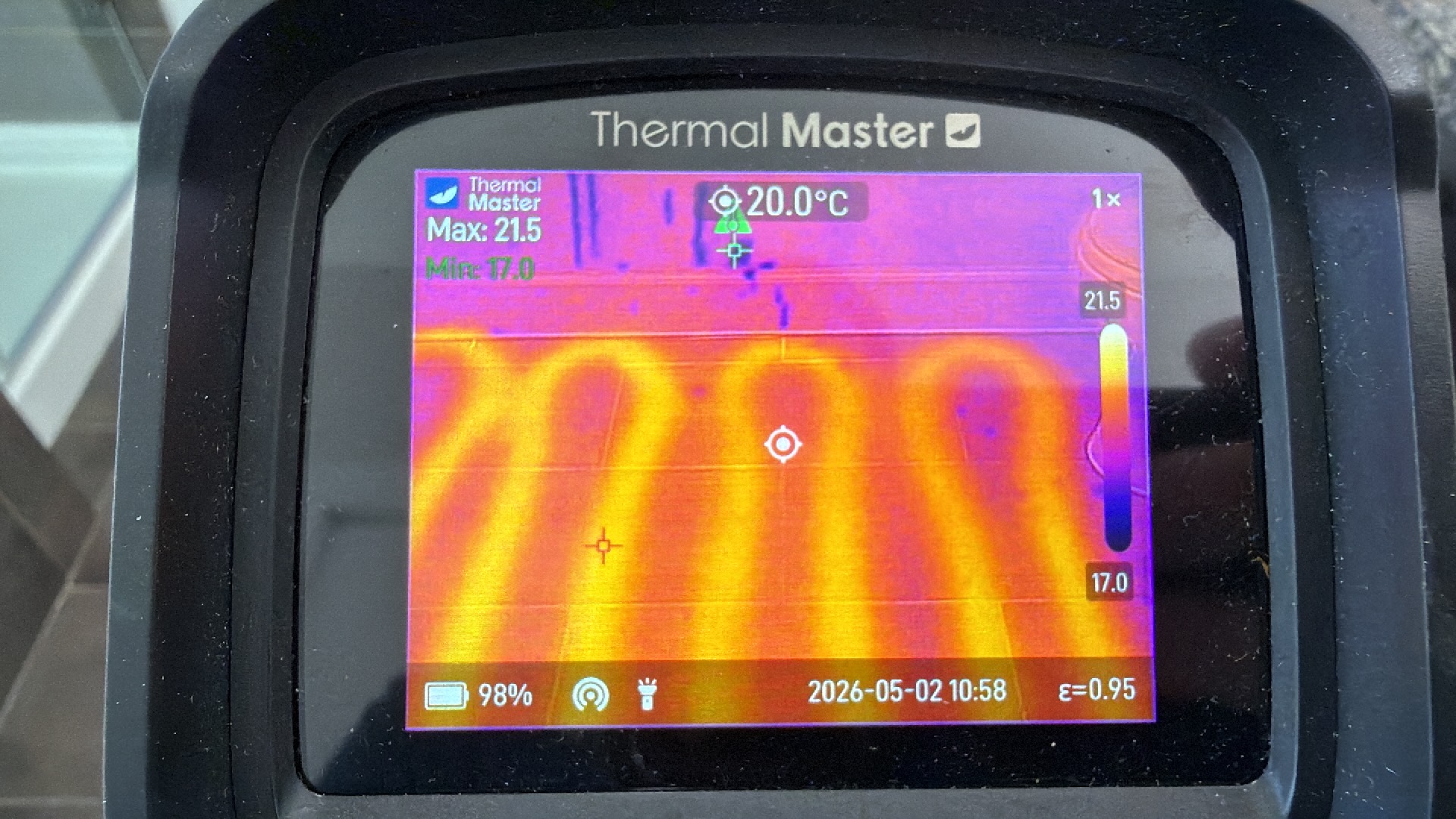
In-floor heating system thermal evaluation
Moisture and Weatherproofing Assessment
Poor weathersealing around doors and windows allows outside temperature to penetrate into the home, creating visible cold spots in thermal images. These leaks compromise insulation and can lead to moisture intrusion, mold, and structural damage.
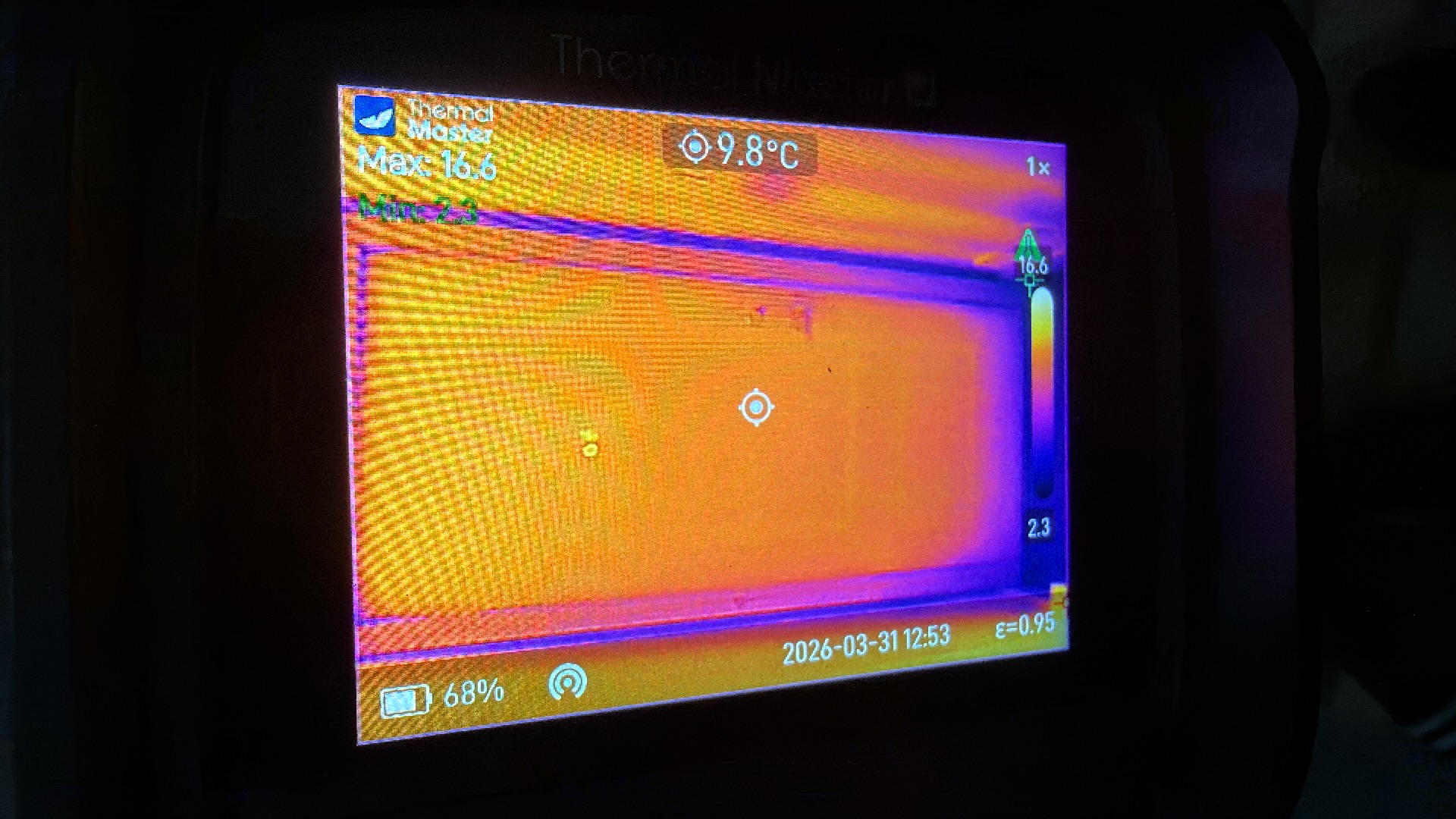
Door weathersealing thermal assessment
Shower Enclosure and Bathroom Defects
Shower enclosures are common sources of hidden water damage. Thermal imaging can reveal where water is penetrating behind tiles, through grout, or into the framing structure. Wet areas around showers appear as cold spots in thermal images during winter months.
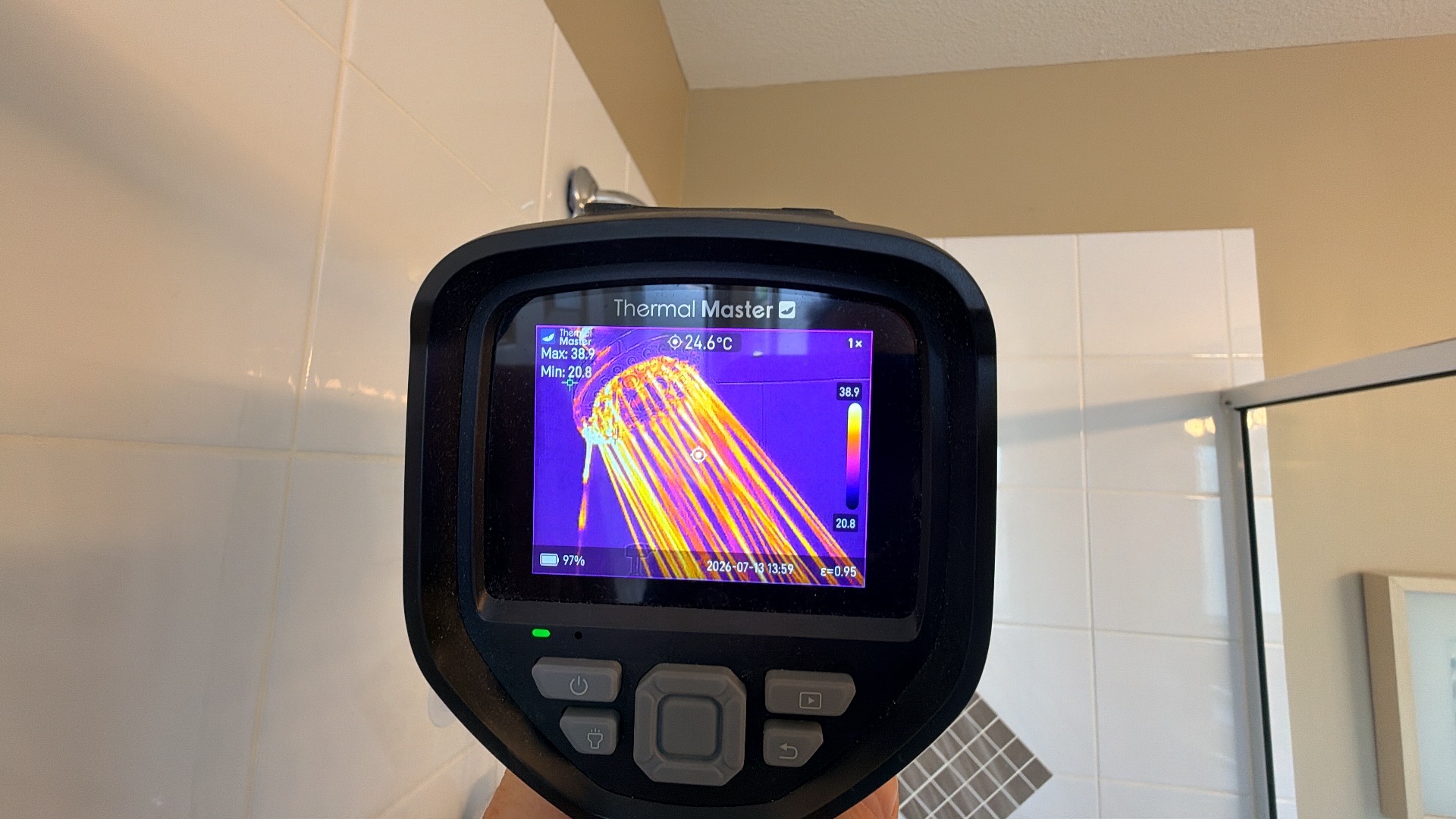
Shower enclosure water intrusion thermal detection
A Comprehensive Tool for Serious Issues
Thermal imaging becomes especially valuable when combined with visual inspection. A crack in drywall might be cosmetic — or it might indicate structural movement and water intrusion. A cold spot on a wall might be minor — or it might signal active water damage hidden inside the wall cavity. Thermal imaging provides the evidence needed to assess the true severity of what visual inspection alone cannot explain.
When thermal imaging reveals a potential issue, it becomes the first step in deciding whether more detailed investigation is needed — like moisture meter readings, sample testing, or bringing in a specialist contractor.
How We Use Thermal Imaging in Inspections
During a home inspection, thermal imaging is used strategically to supplement the visual inspection. We scan the exterior of the home to check for heat loss, moisture intrusion, and roofing defects. Inside, we examine walls, ceilings, and crawl spaces to identify insulation problems and moisture issues. We also use thermal imaging to check electrical panels for overheated breakers, inspect HVAC systems for efficiency, and locate plumbing leaks.
The goal is to identify problems early before they become expensive repairs. Many serious issues — like water damage or electrical hazards — can be caught before they cause catastrophic damage to your home.
Why Temperature Differences Matter
Temperature differences in your home tell a story. A wet area will read differently than a dry area. An overheated electrical connection will show up as hot spot. Missing insulation will create cold zones in winter. A water leak will create a temperature anomaly long before mold or structural damage becomes visible. By identifying these patterns, thermal imaging helps prevent major problems before they happen.
Thermal Imaging Limitations
While thermal imaging is powerful, it has limitations. It works best when there is a temperature difference between the inside and outside of your home — which is why inspections on moderate-temperature days may be less effective. Thermal imaging also cannot see through solid objects, so if problems are deeply embedded, they may not show up. Additionally, thermal imaging identifies that a temperature difference exists, but further investigation (moisture meters, opening walls, etc.) may be needed to confirm the underlying cause.
For these reasons, thermal imaging is a tool that works best as part of a comprehensive inspection — not as a standalone solution.
The Cost vs. Benefit
Thermal imaging adds value to an inspection by finding problems early. The cost of a thermal imaging scan during a standard home inspection is minimal compared to the cost of discovering expensive problems after you've already purchased the home. Finding hidden water damage, electrical hazards, or missing insulation before closing can save you thousands of dollars in repairs.
For home buyers, thermal imaging is one of the best investments you can make to protect your purchase.
What to Expect During a Thermal Imaging Inspection
During a standard home inspection that includes thermal imaging, the inspector will use the camera to scan key areas of the home. The process is non-invasive — the camera simply captures temperature data from the surface of walls, ceilings, and other areas. The inspection takes slightly longer than a standard visual inspection, but the added insights can be invaluable.
Any anomalies found are photographed and documented in your inspection report with explanations of what the temperature differences indicate. On-site reports delivered within 15 minutes, 99% of the time.
Is Thermal Imaging Right for Your Inspection?
If you are purchasing a home, especially an older home or one with known issues, thermal imaging is highly recommended. It is particularly valuable for:
The Bottom Line
Thermal imaging is an advanced tool that gives home inspectors the ability to see what the human eye cannot. By detecting temperature differences, we can identify hidden problems before they become expensive disasters. Whether you are buying a home, selling a home, or just concerned about an existing property, thermal imaging provides valuable insights that lead to better decision-making.
When you book your home inspection with Next Inspections, thermal imaging is included in every comprehensive inspection at no extra cost.
Schedule Your Thermal Imaging Inspection
Get a comprehensive home inspection with thermal imaging included. We'll detect hidden problems and give you peace of mind. On-site reports delivered within 15 minutes, 99% of the time.
Book Your Inspection Now