
Next Inspections Logo
Electrical Safety

GFCI Outlets & Protection: What You Need to Know

GFCI outlets are a critical electrical safety feature that protect you and your family from electric shock. Learn where they're required, how they work, and what to look for during a home inspection.

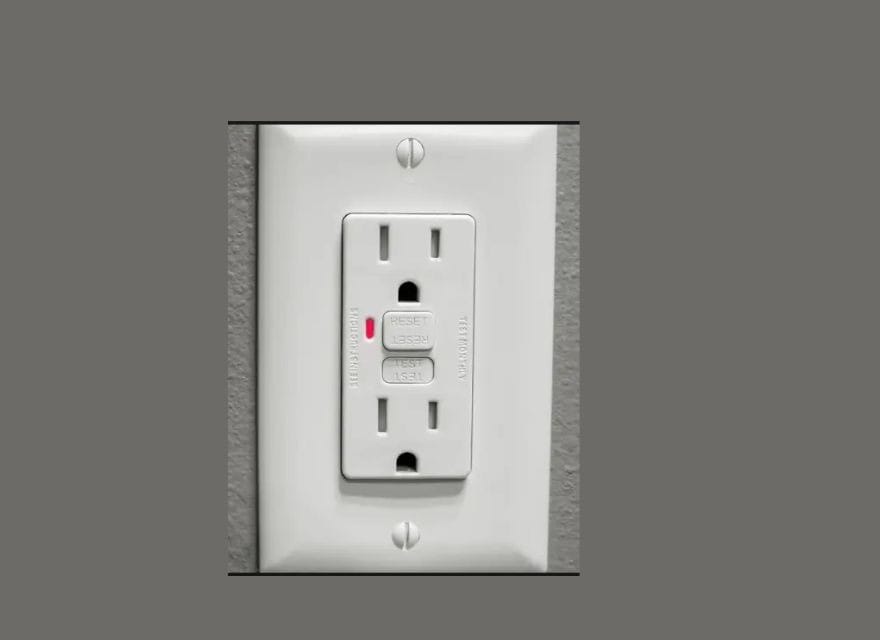
GFCI electrical outlet close-up showing test and reset buttons with red indicator light

Home inspections are an important step in the process of buying or selling a home, as they provide a thorough examination of the property and help identify any potential issues or concerns. One aspect of a home inspection that is often overlooked is the importance of GFCI (Ground Fault Circuit Interrupter) protection.

In this article, we will discuss what GFCI is, where it should be installed, and the safety benefits and building code requirements associated with this important safety feature.

What Is GFCI?

A GFCI, or Ground Fault Circuit Interrupter, is a type of electrical safety device that is designed to protect people from electrical shock. It does this by monitoring the amount of current flowing through a circuit and quickly shutting off power to the circuit if it detects an imbalance, which can indicate a ground fault or leakage of current.

GFCIs are commonly found in areas of a home where electrical shock hazards may be present, such as kitchens, bathrooms, and outdoor areas. When a GFCI detects a potential ground fault, it can trip in milliseconds — faster than the human heart can react — preventing serious injury or death.

Where Should GFCIs Be Installed?

GFCIs are typically required in areas of a home where electrical shock hazards may be present. According to the National Electric Code (NEC) in the US, GFCI protection is required for all 125-volt, single-phase, 15- and 20-ampere receptacles in the following locations:

Bathrooms: All receptacles within 6 feet of a sink
Kitchens: All countertop outlets and those near sinks
Garages: All outlets including wall outlets
Outdoor areas: All exterior receptacles and patio outlets
Unfinished basements: All receptacles including laundry areas
Laundry rooms: Outlets near washing machines
Boathouses: All receptacles within reach of water
Rooftops: All receptacles on roof surfaces
Crawl spaces: All receptacles in damp areas

Generally, any outlet near water or in a damp area should have GFCI protection to minimize electrical shock risk.

How Do GFCIs Work?

A GFCI outlet works by constantly monitoring the current flowing through the hot and neutral wires. In a normal circuit, the current flowing out on the hot wire should equal the current returning on the neutral wire. If there is a difference — which may indicate current is leaking to the ground through a person's body — the GFCI detects this imbalance and shuts off power in milliseconds.

GFCI outlets typically trip (cut power) when they detect a ground fault of as little as 4-6 milliamps, which is below the level that causes ventricular fibrillation (heart rhythm disruption). This rapid response time can be the difference between a minor shock and a fatal injury.

Types of GFCI Protection

There are three main types of GFCI protection available:

GFCI Outlets: These have test and reset buttons built into the outlet itself. One outlet protects only that single receptacle.
GFCI Breakers: These are circuit breakers installed in the electrical panel that protect an entire circuit. They protect all outlets on that circuit.
Portable GFCIs: These are plug-in devices that provide GFCI protection for any standard outlet. They're useful for temporary locations or areas where permanent installation isn't possible.

Testing Your GFCIs

GFCI outlets have test and reset buttons on the face of the outlet. You should test your GFCI outlets monthly to ensure they are working properly:

Plug a lamp or nightlight into the GFCI outlet and turn it on
Press the test button — the outlet should cut power and the light should turn off
Press the reset button — power should be restored and the light should turn back on
If the test button doesn't trip the outlet, or the reset button doesn't restore power, the GFCI is faulty and should be replaced

Common Issues Found During Home Inspections

During a home inspection, we look for several GFCI-related issues:

Missing GFCI protection: Required outlets that don't have GFCI protection installed
Non-functioning GFCIs: Outlets that don't trip when tested, indicating they need replacement
Nuisance tripping: GFCIs that trip frequently without a ground fault present, which can indicate a circuit issue
Outdated protection: Older homes may have been built before GFCI requirements, lacking protection in hazardous areas

Why GFCIs Matter: The Safety Benefits

Electrical shock is one of the leading causes of unintentional home injury deaths in North America. GFCI protection significantly reduces this risk by providing rapid response to ground faults:

GFCIs trip in milliseconds, before serious harm can occur
They provide protection even if you're wet or standing in water
They protect against both direct contact and ground faults
They're especially important for children and elderly family members who may be more susceptible to electrical injury

Safety Benefits and Building Code Requirements

GFCI protection is required by building codes throughout North America, including the National Electric Code (NEC) in the US and the British Columbia Electrical Code in Canada. In British Columbia, GFCI protection is specifically required for electrical receptacles and equipment located within 1.5 meters (or 5 feet) of a water source, including:

Sinks and faucets
Bathtubs and showers
Swimming pools and hot tubs
Spas and similar water features

The specific requirements have evolved over the years, with newer homes requiring more extensive GFCI protection than older homes. If you're buying an older home, it's important to have a professional inspector check for proper GFCI installation in all required areas. Many older homes lack GFCI protection, which is a safety concern that should be addressed. Upgrading to GFCI protection is relatively inexpensive and can be done by a licensed electrician.

Can One GFCI Plug Protect Others?

Yes, a GFCI plug can protect other outlets in your home. A GFCI outlet is designed to detect small differences in the current flowing through the hot and neutral wires of an electrical circuit. If it detects such a difference, it will quickly shut off the power to the circuit to prevent electrical shock.

When a GFCI outlet is installed, it can be connected to other outlets on the same circuit, called downstream outlets. When connected in this way, the GFCI can protect all downstream outlets by monitoring the current flowing through the circuit and shutting off power if it detects a ground fault or leakage of current.

It's worth noting that GFCI protection can be installed as:

Circuit breaker: Protects the entire circuit at the panel
Receptacle outlet: Protects that outlet and downstream outlets on the same circuit
Portable device: Provides temporary protection for any standard outlet

To have an entire circuit protected, all downstream receptacles on that circuit must be labeled as "GFCI Protected" and must not have equipment ground connected to them. During a home inspection, we verify that these labels are present and correct to ensure proper protection.

Do GFCIs Need Maintenance?

Yes, GFCIs require periodic maintenance to ensure they continue to function properly. Here's what you should know about GFCI maintenance:

Test monthly: Press the test button on GFCI outlets to ensure they trip properly. If they don't, the outlet needs to be replaced.
Reset after tripping: If a GFCI breaker or outlet trips, press the reset button to restore power. However, if it trips frequently, this may indicate an electrical problem that requires investigation by a licensed electrician.
Check labels: All GFCI protected outlets must be labeled as "GFCI Protected." Verify these labels are present and clearly visible.
Verify connections: Ensure that no equipment ground is connected to GFCI protected outlets, as this can interfere with proper operation.
Professional inspection: Have a licensed electrician inspect your GFCI system periodically, especially if outlets are aging or if you notice any irregularities.

What to Do If You Find Missing GFCI Protection

If your home inspection reveals missing GFCI protection or non-functioning outlets, here are your options:

For a new home purchase: Negotiate with the seller to have a licensed electrician install GFCI protection before closing
For a home you own: Contact a licensed electrician to install GFCI outlets or breakers. This is a relatively simple upgrade that typically costs $100-300 per location
Temporary solution: Use portable GFCI devices in areas where permanent installation isn't immediately possible

The Bottom Line

GFCIs are an important safety feature that should not be overlooked during a home inspection. They provide added protection against electrical shocks and electrocutions, and are required by building codes in all areas near water sources. Homebuyers and sellers should be aware of the importance of GFCIs and the safety benefits they provide.

It is always best to consult a licensed electrician for specific guidance on your home's electrical safety. If your inspection reveals missing or non-functioning GFCI protection, prioritize getting it corrected to protect your family from electrical hazards.

Schedule Your Home Inspection Today

Proper GFCI protection is critical for your family's safety. During a professional home inspection, we thoroughly test all GFCI outlets and identify any areas where protection is needed. On-site reports delivered within 15 minutes, 99% of the time.

Book Your Inspection Now

Homeowners Trust Us

See What Our Customers Say

Google Reviews
5.0
S

Sarah M.

2 weeks ago

"Adam was incredibly thorough and took the time to explain every finding. The report was easy to understand with clear photos and colour-coding. We felt confident making our decision. Highly recommend Next Inspections!"

Posted on Google
J

James T.

1 month ago

"The same-day report was a game-changer for us. We were under a tight deadline and Adam delivered everything within hours. The interactive report with videos and annotations made it so easy to understand."

Posted on Google
P

Priya K.

3 weeks ago

"As a first-time home buyer, I had no idea what to expect. Adam walked me through everything at the end of the inspection and even followed up with my realtor. The report was incredibly detailed."

Posted on Google
M

Mike & Lisa R.

1 month ago

"We've used Next Inspections twice now — once for our townhouse and once for a condo. Both times Adam was professional, on time, and the reports were top-notch. No hidden fees, no travel surcharges."

Posted on Google
D

David Chen

2 months ago

"I'm a realtor and I always recommend Adam to my clients. His reports are the best I've seen — the request list feature saves me hours when negotiating repairs. Professional and reliable every time."

Posted on Google
A

Amanda W.

3 weeks ago

"Adam found issues that we never would have noticed. The thermal imaging caught a moisture problem behind the wall. His background in renovations really shows — he explained exactly what repairs would cost."

Posted on Google
R

Robert P.

1 month ago

"Booked the inspection in the morning and Adam was there the next day. The mobile-friendly report was ready by evening. Super convenient and very thorough. Worth every penny."

Posted on Google
J

Jennifer L.

2 weeks ago

"Had our mobile home inspected before purchasing. Adam clearly knows the unique aspects of manufactured homes — skirting, seismic securing, the whole nine yards. Gave us total peace of mind."

Posted on Google
K

Kevin & Sonia B.

2 months ago

"Very thorough inspection of our Surrey home. Adam covered all 9 systems and the report was incredibly detailed. Only reason for 4 stars is we wished the inspection could have been a bit quicker, but quality was excellent."

Posted on Google
R

Rachel H.

1 month ago

"Used Next Inspections for our new home warranty inspection. Adam identified several items the builder needed to address before the warranty expired. Saved us thousands in potential future repairs."

Posted on Google
S

Sarah M.

2 weeks ago

"Adam was incredibly thorough and took the time to explain every finding. The report was easy to understand with clear photos and colour-coding. We felt confident making our decision. Highly recommend Next Inspections!"

Posted on Google
J

James T.

1 month ago

"The same-day report was a game-changer for us. We were under a tight deadline and Adam delivered everything within hours. The interactive report with videos and annotations made it so easy to understand."

Posted on Google
P

Priya K.

3 weeks ago

"As a first-time home buyer, I had no idea what to expect. Adam walked me through everything at the end of the inspection and even followed up with my realtor. The report was incredibly detailed."

Posted on Google
M

Mike & Lisa R.

1 month ago

"We've used Next Inspections twice now — once for our townhouse and once for a condo. Both times Adam was professional, on time, and the reports were top-notch. No hidden fees, no travel surcharges."

Posted on Google
D

David Chen

2 months ago

"I'm a realtor and I always recommend Adam to my clients. His reports are the best I've seen — the request list feature saves me hours when negotiating repairs. Professional and reliable every time."

Posted on Google
A

Amanda W.

3 weeks ago

"Adam found issues that we never would have noticed. The thermal imaging caught a moisture problem behind the wall. His background in renovations really shows — he explained exactly what repairs would cost."

Posted on Google
R

Robert P.

1 month ago

"Booked the inspection in the morning and Adam was there the next day. The mobile-friendly report was ready by evening. Super convenient and very thorough. Worth every penny."

Posted on Google
J

Jennifer L.

2 weeks ago

"Had our mobile home inspected before purchasing. Adam clearly knows the unique aspects of manufactured homes — skirting, seismic securing, the whole nine yards. Gave us total peace of mind."

Posted on Google
K

Kevin & Sonia B.

2 months ago

"Very thorough inspection of our Surrey home. Adam covered all 9 systems and the report was incredibly detailed. Only reason for 4 stars is we wished the inspection could have been a bit quicker, but quality was excellent."

Posted on Google
R

Rachel H.

1 month ago

"Used Next Inspections for our new home warranty inspection. Adam identified several items the builder needed to address before the warranty expired. Saved us thousands in potential future repairs."

Posted on Google

Ready to Get Started?

Book Your Home Inspection Today

Next-day inspections available. Same-day reports. On site walk through included with every inspection.